
So Many Workshops
My time in Kolkata is coming to a close, but the work is just beginning.

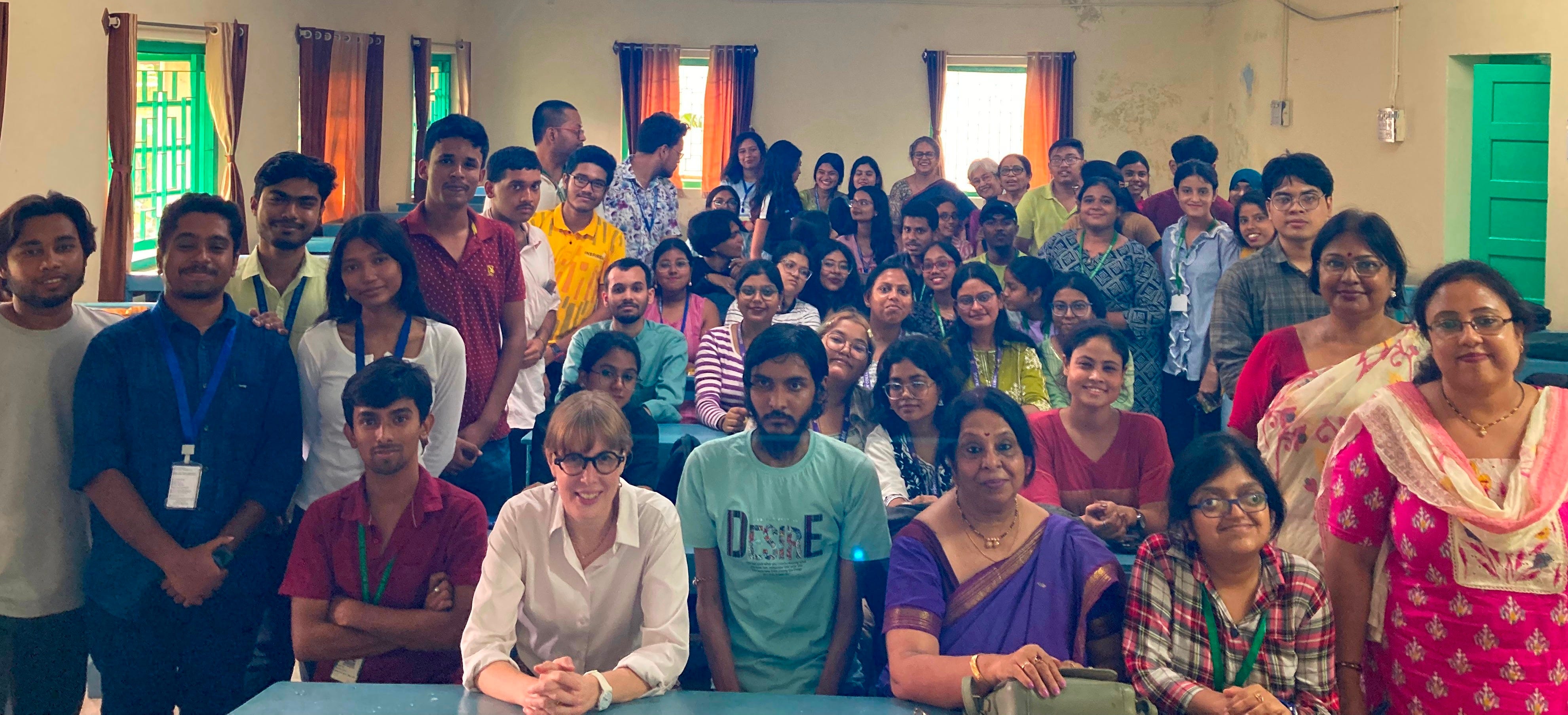
Recently, in the final session of our writing workshop, the PhD students & research scholars I’ve been working with since September each gave a reading of an original piece.
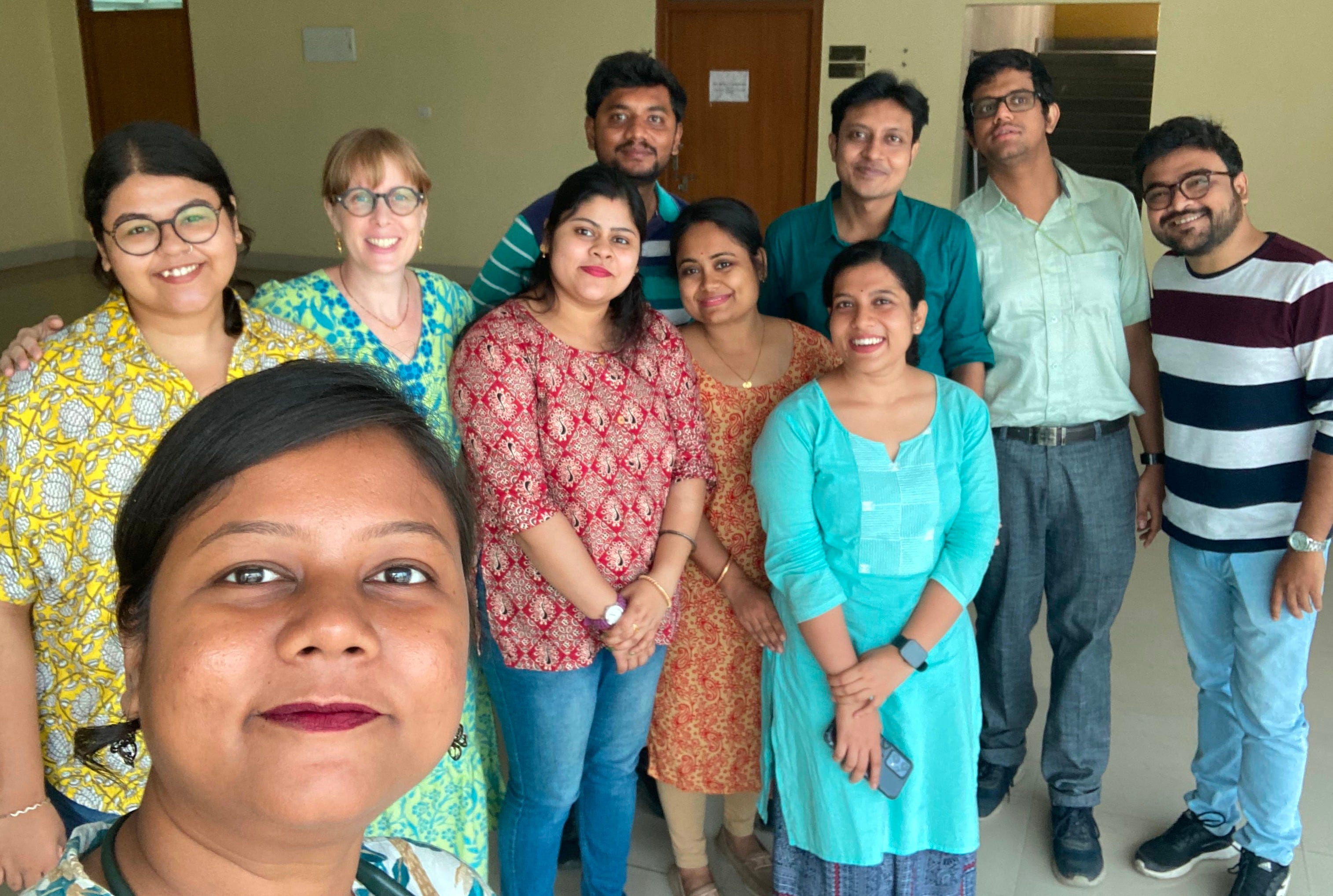
I was blown away by the clarity, nuance, and progress of each excerpt or essay. But just as importantly, if not more so, as I observed everyone watching each other read, leaning in and nodding at the changes from previous drafts, it was also evident how much the group evolved as incisive readers of one another’s work. Reluctant as I am to leave Kolkata, and all my students here, this very dynamic - the one in which my presence is no longer needed - was always the goal. And in this way, I could not be more proud.
Way back last fall, during the very first session in which we swapped work-in-progress, this ILSR cohort was eager, receptive, and very, very nice. Though I appreciated everyone’s appreciation of one another, I wasn’t entirely sure how to foster a more critical focus. In any writing workshop, in any context, the hope is to move past the goodwill in order to figure out what’s worthwhile, a spark of something with both existing clarity and future potential. Then the conversation becomes how to make that the driving force of the piece. To get there requires a shared willingness to identify the most - and least - salient passages. I didn’t want anyone to be discouraged, but I did want everyone to be unafraid to be direct, in conversation and on the page.
Then, as the months went by, something very powerful began to emerge. Collectively, these scholars are working in multiple languages: Bangla, Hindi, Urdu, Santali, Bhojpuri, and English. This linguistic texture has been one of the richest aspects of our workshop and one of the most challenging, particularly for me. And yet, this is also one of the ways this group really came together in support of one another, dipping in and out of Bangla, say, in the middle of workshop to consider various possible translations or ways of contextualizing a historical event or a cultural reference or a joke.
This weaving in and out of different languages created a parallel exploration of clarity in a way that had nothing to do with emotional affirmation and everything to do with collaboration. In the process, all the participants gained essential trust in themselves, in one another, and in elasticity and precision of language itself. It has been a joy watching these writers attune themselves to one another’s work and to the sense of discovery that emerges. And all of their work has become stronger as a result.
Later this month, this ILSR group will also be mentoring PG students from across the city and around the state, pulling from and adding to our workshop experience to provide guidance on academic writing and research. This empowering of local scholars to support other students and underscore local expertise has always been the intention of my Fulbright project, and I have all the faith in the world that this cohort will do just that, with heart and humor.
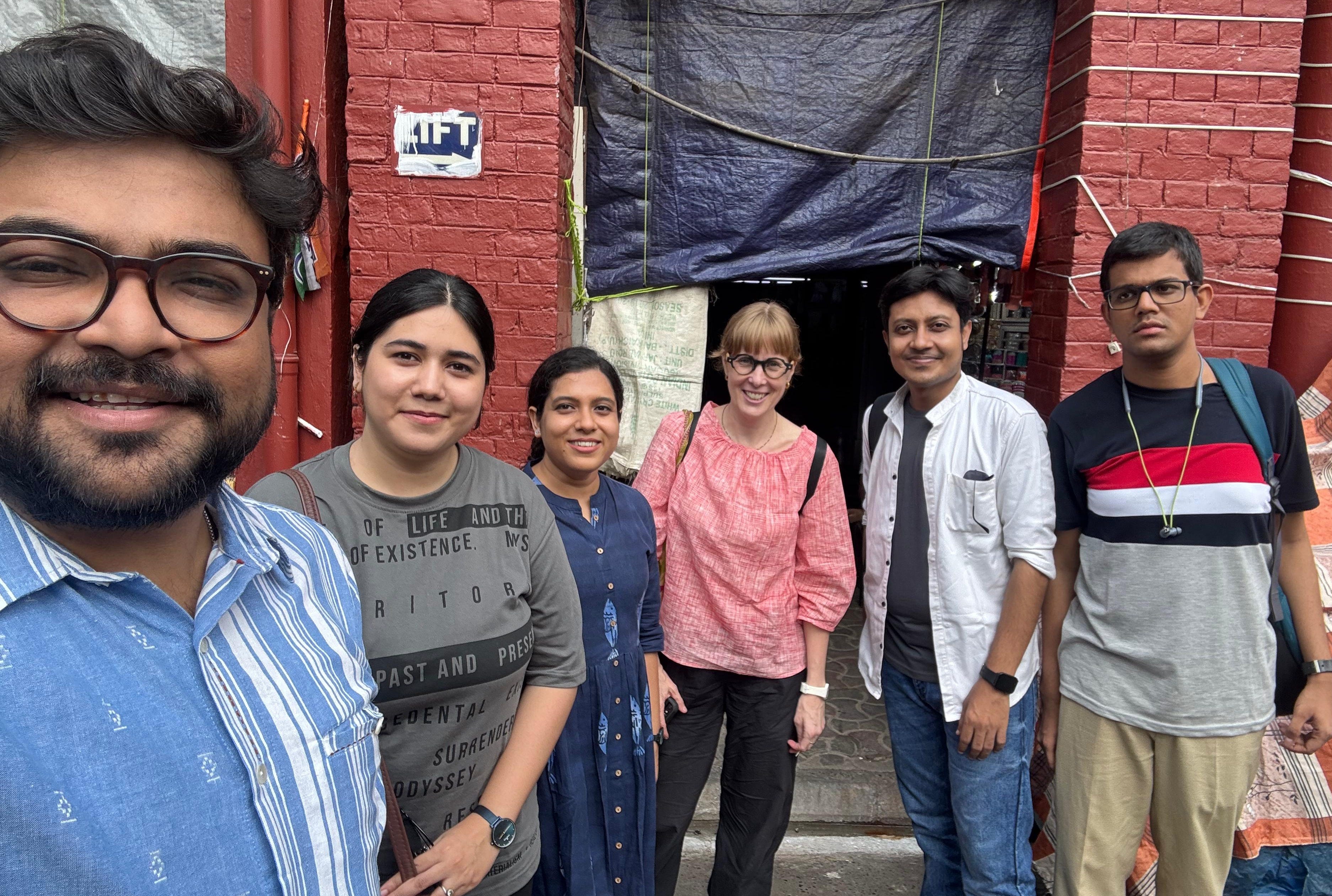
Beginning in late January, I also conducted a workshop on researched personal narrative and op-ed writing with undergraduates at Presidency University. Unlike the PhD scholars, with whom I had 8 months, we only had 8 weeks, and there were 36 students, too big of a group for me to individually facilitate a conversation about each person’s essay. And yet, in any writing class I teach, I strive to make sure everyone has some supported experimentation with revision - of moving paragraphs and taking out entire pages to witness the malleability of their own thinking. Ideally, this happens in dialogue with other people’s work, through a kind of symbiosis that I believe students must experience directly in order to see as worthwhile.
But the backdrop here is that Indian academic culture is largely centered around exams, rankings, and ‘toppers.’ Unlike in the A-for-Effort-or-Even-Just-Kind-of-Showing-Up U.S., this system can make for serious, accomplished, and disciplined students, respectful of their teachers and accustomed to learning from their mistakes. (By way of example, at my daughter’s own parent-teacher conference here in Kolkata, one of her teachers asked what “complaints” we had about our daughter, in front of her.)
At the same time, though, in an academic culture based so extensively on exams, there can be, understandably, a lot of competition. So when I started working with the Presidency students on preparing to read and respond to one another’s drafts-in-progress, I wasn’t entirely sure how things would pan out. If I was concerned the PhD students would be too nice, I was just as concerned that the undergraduate students might be, well, not not nice, but simply reflective of an exam system in which there are right and wrong answers, unlike a writing workshop in which the whole idea is to believe that everything can become slowly, gradually, and continually a little bit better.
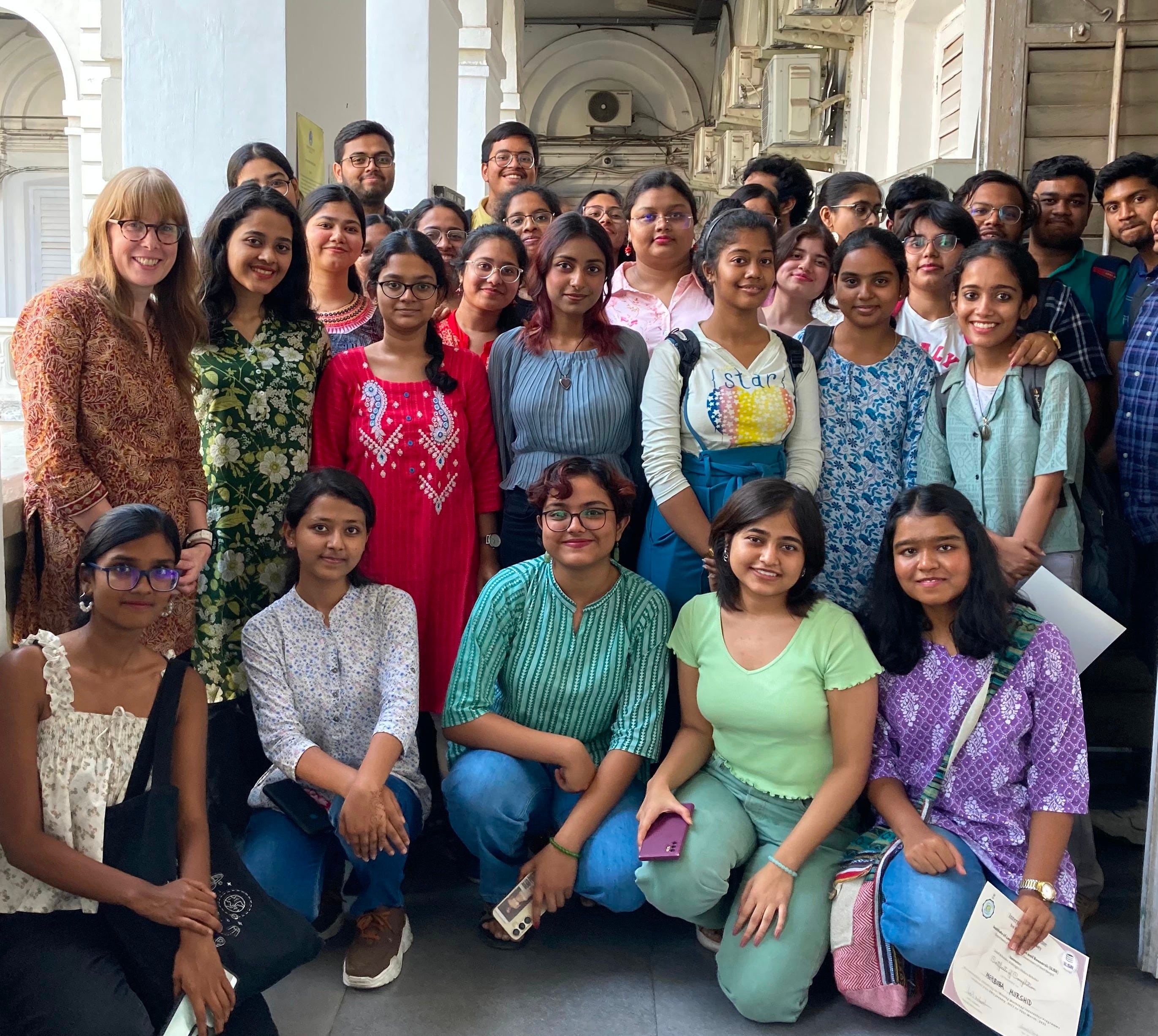
After several weeks of reading published work and developing a shared vocabulary for craft, these students worked in small groups of six, reading and responding to one another’s work. Their essay topics ranged from things very specific to Kolkata - especially the need for more public transportation and the dangers of road “safety” - to much more universal, which is not to say uniform, descriptions of teenage alienation exacerbated by social media. But more meaningful, I think, than any one specific essay, was the students’ willingness to engage with one another’s writing. They then explained, far better than I can, why this matters. Here are just a few of the reflections the students shared:
“Previously I believed the topic I was writing on was a ‘me’ problem or something only I face. But discussing with our group, I got to know it was a much deep-rooted issue that almost everyone faced in their lives.”
“This workshop didn’t only teach me to write but also how to read. I realized writing isn’t just about self-expression, but about creating a space where both the readers and the writers feel engaged.”
“At first it felt a bit overwhelming, but with time I became more confident and comfortable. During the workshop, there is a sense of community as we learn from one another’s perspectives and it contributed a lot in my personal growth.”
“The workshop gave me a space to be myself where rather than critiquing, we learned from one another. It made me aware of the diversity around us.”
I am including some of these excerpts because they point toward the immense benefit of writing courses that, like so many liberal arts classes, are metacognitive and communal and dialogic. They are about learning from and with one another. They are about listening and empathy and connection.
.
Additionally, over the last two and a half months, I’ve taught one-time workshops at more than a dozen colleges and universities in Kolkata around the state of West Bengal. I am indebted to all the friends and colleagues who have extended these invitations and grateful to all the students who participated. While I wish we had more time together, I will say that so many of the curious and determined young people I’ve met this year are keeping me hopeful about what’s to come, in spite of everything. I only hope we can do right by them all in turn, by making sure they are safe to learn, to question, to speak out, to publish, and to advocate for a more just world.
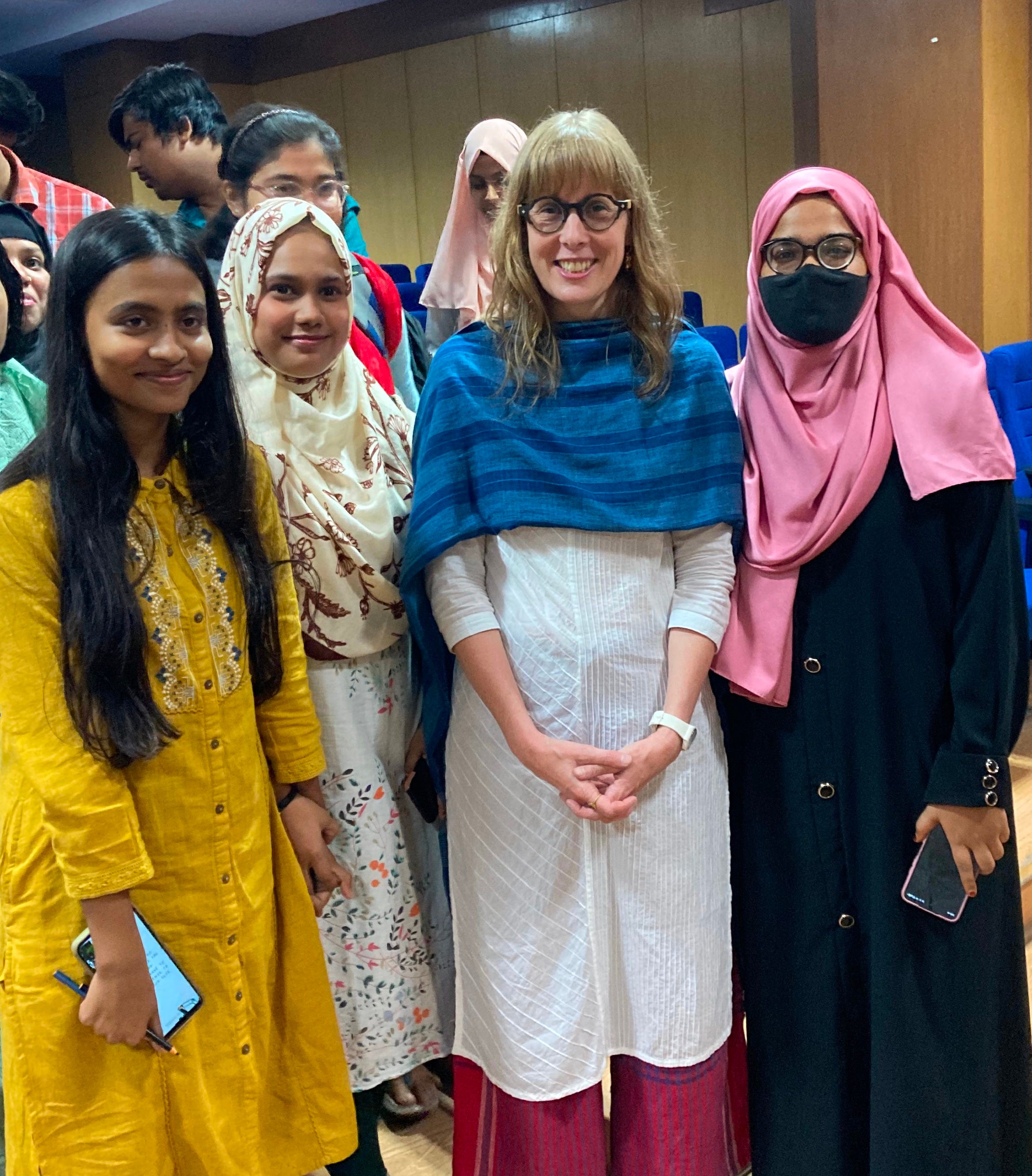
Each of these workshops and college visits has also allowed me to expand the broader network of students, faculty, and administrators, in and around Kolkata, with whom I am working to create more opportunities for local writing instruction.
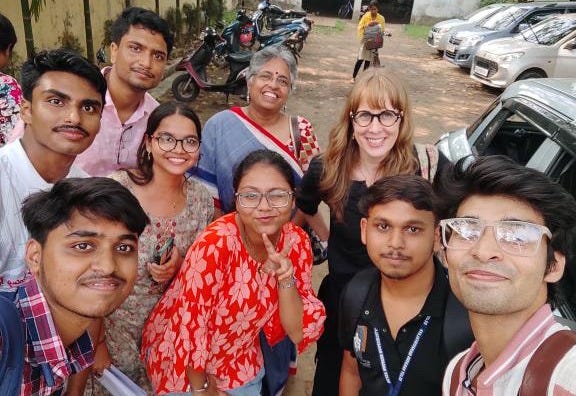
Even though I’m preparing to leave Kolkata in a few days, these collaborations will be ongoing. My plan is still to establish a Writing and Research Centre here in Kolkata, which can serve as a centralized location for writing workshops and one-on-one support for UG, PG, and PhD students, as well as professional development for faculty. It is a work-in-progress for sure, but we’ve made real headway this year in terms of the momentum, interest, and community necessary to create and sustain this vision. I also hope to one day bring American college students to Kolkata, to study Bengali literary culture and to participate in a cross-cultural writing workshop with UG students here.
This last image (below) is one of my favorites. Maitrayee is a research scholar at ILSR who specializes in archival work. For her final essay, she wrote a beautiful narrative about her love of old things and how this intersects with her academic expertise. But her essay was also about how human archives become, often unintentionally.
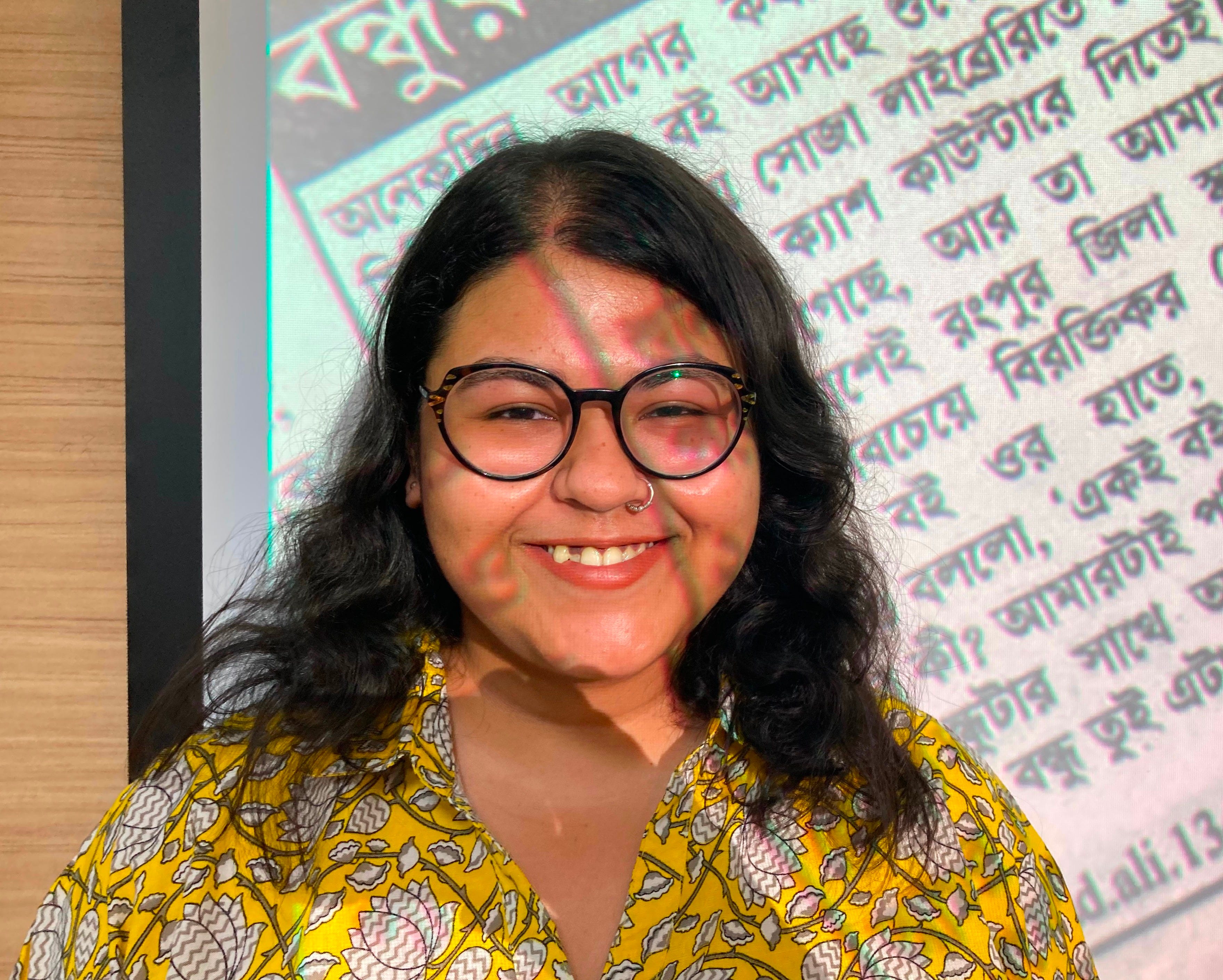
In the piece, Maitrayee referenced two things found, almost by accident, in an archive: a slip of a hand written poem left in a book and a personal add in a newspaper in which a man was looking for an old school friend. She shared images of those texts while she read, and then I asked her to stand in front of the projection.
I wish I had a corollary image of me to share in return, a way of showing how all the student writing I’ve read and worked with this year is now part of me, too.